
By: Dr. Fiona Lovely, Chiropractor
Perhaps you have felt it already: your heel screams when you step out of bed. Your shoulder won't let you shampoo your hair. Your hip aches when you lie on your side at night.
But you didn’t have a trauma or injury, it just hurts. So what's going on?
For many women, the answer is hormonal. The musculoskeletal syndrome of menopause describes the joint, muscle, tendon, and connective tissue changes that can show up as estrogen fluctuates and declines. It affects women from their mid-thirties onward, through perimenopause and menopause.
And it's far from rare. According to the researchers who named the syndrome, more than 70% of women experience musculoskeletal symptoms through the menopause transition, and about one in four will be disabled by those symptoms.*
Why hormones affect your muscles and joints
Estrogen does far more than regulate your cycle. It helps maintain collagen, the protein that gives tendons, ligaments, and fascia their strength and spring. It also helps regulate inflammation and supports muscle repair.
As estrogen shifts, tissues can become stiffer, less resilient, and slower to recover. The result is pain that seems to appear out of nowhere.
What are those symptoms
Plantar fasciitis
The plantar fascia is a thick band of tissue running along the bottom of your foot. When it loses elasticity with the loss of estrogen, it becomes irritated and inflamed. The classic sign is sharp heel pain with your first steps in the morning or after sitting.
Frozen shoulder
Also called adhesive capsulitis, this happens when the capsule around the shoulder joint thickens and tightens. It's most common in women in their forties through sixties. It often progresses through painful, stiff, and slowly thawing stages, which can take many months or even years.
Glute and outer hip pain
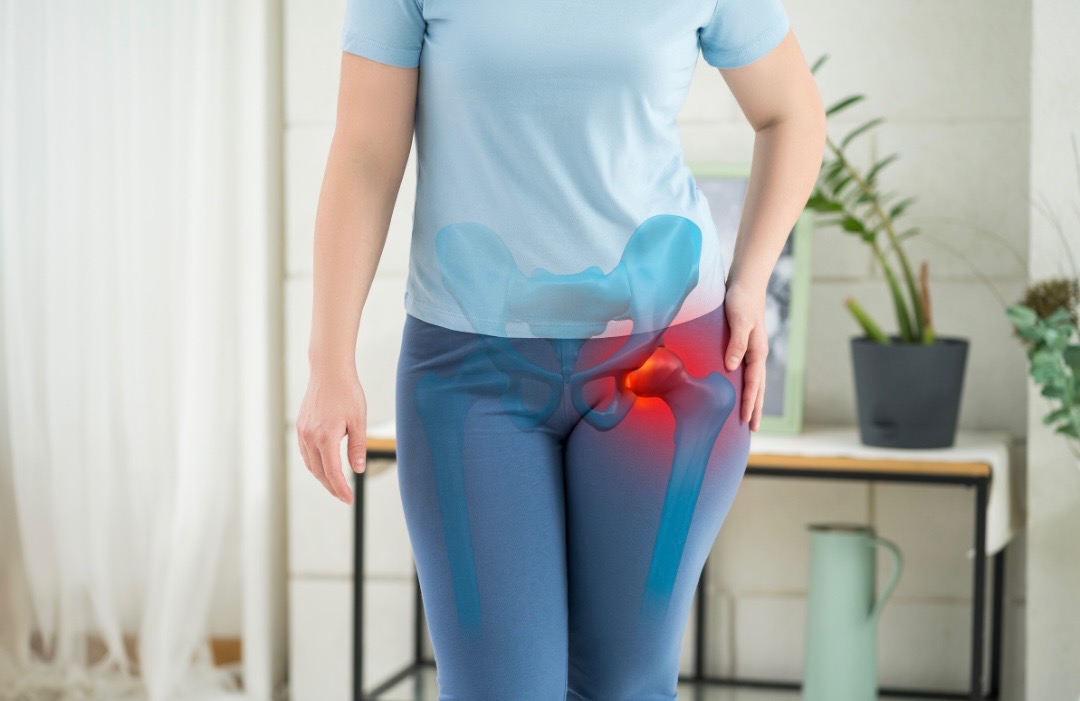
Officially called gluteal tendinopathy or greater trochanteric pain syndrome, this shows up as aching on the outside of the hip. It tends to flare when lying on that side, climbing stairs, or standing on one leg.
How manual therapy can help
At Active Sports Therapy, our team works together to support a woman’s body:
- Chiropractic to assess and improve joint mechanics and movement patterns
- Physiotherapy for targeted strengthening, tendon loading, and rehab plans
- Massage therapy to ease muscle tension and improve tissue mobility
- Acupuncture to support pain relief and nervous system regulation
These approaches are science-informed and often work best in combination. Your care plan should reflect your body, your stage of life, and your goals.
Your part: keep moving
Here's the honest truth. What happens between appointments matters as much as what happens on the table.
- Are you doing your stretching? Calf and foot stretches for plantar fasciitis, gentle range-of-motion work for the shoulder, and hip mobility work can all make a difference.
- Strength train. Muscle and tendon respond to load. Building strength is one of the best things you can do for your joints in midlife. Keep it simple and do it daily.
- Keep moving. Stiffness tends to breed more stiffness. Walk, swim, cycle, dance. Find movement you enjoy.
Movement is medicine, and consistency is the dose.
You don't have to push through it
Pain in midlife is common, but it isn't something you simply have to accept. If your heel, shoulder, or hip has been talking to you, book an assessment with our team at AST. Let's get you moving well again.
*Reference
Wright VJ, Schwartzman JD, Itinoche R, Wittstein J. The musculoskeletal syndrome of menopause. Climacteric. 2024;27(5):466–472. doi:10.1080/13697137.2024.2380363