
By: Active Sports Therapy
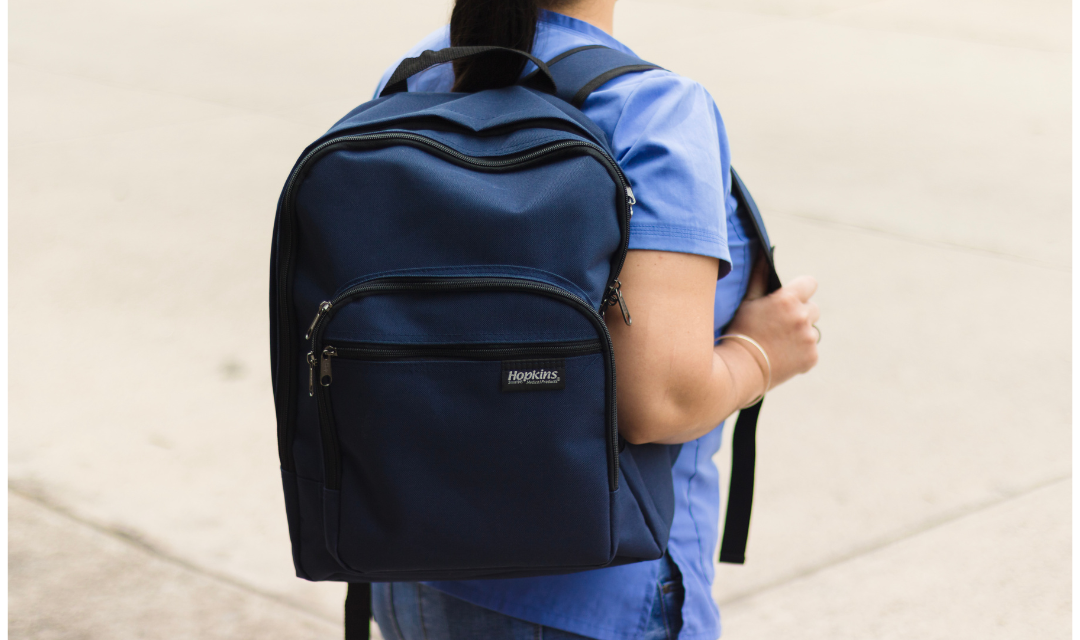
September means back to school, back to work and back to routine. For many of us, it also means going back to carrying backpacks, laptops, books, gym gear and everything else we need to get through the day.
Whether it is your child heading to school, a university student crossing campus or an adult commuting to work, how you carry those everyday items can make a difference to how your body feels.
At AST or practitioners, often look at the small, repetitive stresses placed on the body throughout the day. A backpack or laptop bag may not seem like a big deal, but when a bag is too heavy, poorly fitted or carried unevenly day after day, it can contribute to neck, shoulder and back discomfort. (Ohio State Health)
Why Does Backpack Fit Matter?
Your body naturally adjusts to the load you are carrying.
When a backpack hangs too low or sits too far away from your body, you may compensate by leaning forward. If you consistently carry a laptop or messenger bag on one shoulder, you may shift your body in the opposite direction to balance the weight.
Over time, these compensations can increase the demand on the muscles of your neck, shoulders and back. Research has also shown that backpack strap length and positioning can influence neck posture and upper trapezius discomfort. (PubMed Central (PMC))
The goal isn't to achieve "perfect posture" every minute of the day. Instead, we want to make the load easier for your body to manage.
5 Tips for a Better Backpack Fit
1. Use both shoulder straps
A backpack is designed to distribute weight across both shoulders. Wearing it over one shoulder creates an uneven load and can increase strain through the neck, shoulders and back.
Look for two comfortable, adjustable, padded straps and use both of them. (HealthyChildren.org)
2. Keep the backpack close to your body
Adjust the straps so the backpack sits snugly against your back rather than hanging loosely toward your hips or buttocks.
The farther the weight sits from your body, the more your body has to compensate to carry it.
3. Pay attention to weight
Backpacks get heavy surprisingly quickly, especially when you start adding laptops, chargers, water bottles, textbooks, lunch and sports equipment.
For children and teens, a commonly recommended guideline is to keep a loaded backpack to around 10–15% of body weight, although the appropriate amount can vary depending on the individual and how far the bag needs to be carried. (HealthyChildren.org)
More importantly, watch how the person moves while wearing it. If they need to significantly lean forward, struggle to put the bag on or regularly complain of discomfort, it's time to lighten the load or adjust the fit.
4. Pack heavier items closest to your back
Where you put things matters too.
Laptops, textbooks and other heavier items should be positioned closest to your back. Use the bag's compartments to prevent everything from shifting around and to distribute the load more evenly. (HealthyChildren.org)
A weekly backpack clean-out can also help. You might be surprised by how much unnecessary weight accumulates!
5. Use waist and chest straps when available
These straps aren't just for hiking backpacks.
A properly adjusted chest strap can help stabilize the backpack, while a waist or hip strap can help redistribute some of the load away from the shoulders. This can be particularly useful for heavier loads or longer walks. (The Ergonomics Center)
What About Laptop and Messenger Bags?
Adults aren't off the hook.
Laptop bags, large purses and messenger bags are often carried on one side of the body, sometimes for long periods during a commute or workday.
If your bag is heavy, consider switching to a backpack-style laptop bag with two shoulder straps. From an ergonomic perspective, carrying a laptop with two shoulder straps can distribute the load more efficiently than carrying the same weight primarily on one side. (The Ergonomics Center)
If you prefer a shoulder or crossbody bag, keep the load as light as possible, avoid carrying unnecessary items and change sides periodically rather than always loading the same shoulder.
Signs Your Bag May Need an Adjustment
Pay attention if you or your child regularly experiences:
- Neck or shoulder pain after carrying a bag
- Upper or lower back discomfort
- Headaches associated with neck or shoulder tension
- Tingling or numbness in the arms or hands
- Red marks where backpack straps sit
- The need to lean forward or sideways while carrying the bag
- Pain that continues after the backpack or bag has been removed
These symptoms don't necessarily mean the backpack itself is the only cause, but they're worth paying attention to—particularly if they happen repeatedly.
Small Changes Can Make a Big Difference
Backpacks aren't inherently bad for your back. In fact, a properly fitted backpack is an effective way to distribute the things you need to carry.
The key is fit, weight and how you carry it.
As everyone settles back into school, work, sports and regular routines this September, take a minute to check your family's backpacks and laptop bags. Adjust the straps, remove what you don't need and make sure the load feels comfortable.
If neck pain, shoulder pain or back pain is interfering with school, work, sports or the activities you enjoy, our Unified Team of Physiotherapists and Chiropractors at Active Sports Therapy Willow Park and Westman Village in Mahogany can help. Our team can assess how you move, identify factors that may be contributing to your pain or discomfort, and develop a personalized treatment plan to help you KEEP MOVING.
Active Sports Therapy | Willow Park + Westman Village