
With Dr. Kurt Whitney at Active Sports Therapy – Westman Village Mahogany
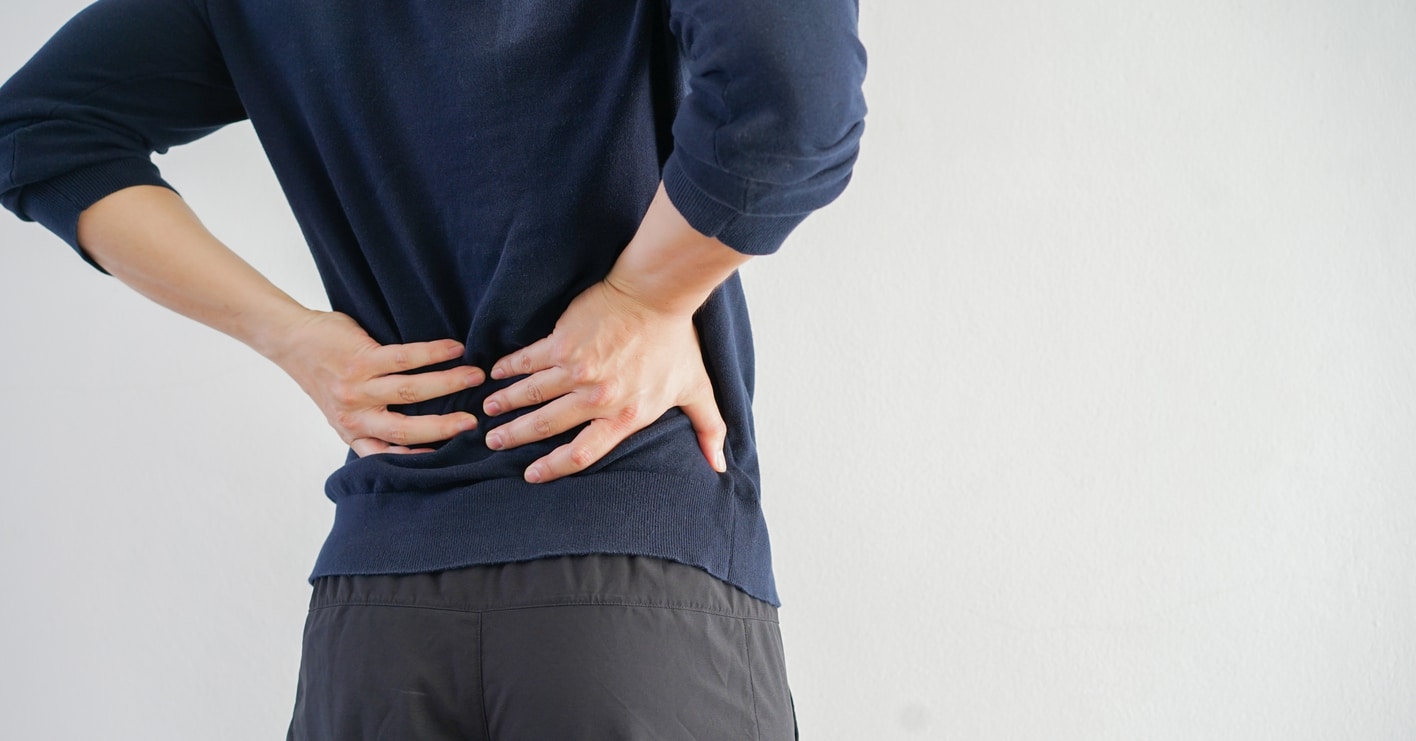
Lower back pain is one of the most common reasons people seek healthcare -- it can affect individuals of all ages
and activity levels. Whether your pain started suddenly after lifting something heavy, or has gradually developed
over time, understanding the root cause is essential for long-term relief.
At Active Sports Therapy in Westman Village Mahogany, Dr. Kurt Whitney provides evidence-based
chiropractic care focused on identifying the true source of your lower back pain and creating a personalized
treatment plan to restore movement, reduce pain, and prevent recurrence.
Below are the four most common causes of lower back pain, how they each present, and how chiropractic care can help.
1. Lumbar Muscle Strain and Ligament Sprain
What It Is:
Muscle strains and ligament sprains occur when the soft tissues of the lower back are overstretched or overloaded. This is one of the most frequent causes of acute lower back pain.
Common Causes
● Lifting or twisting improperly
● Sudden movements
● Overuse or repetitive bending
● Prolonged sitting
Typical Symptoms
● Achy or sharp localized pain
● Muscle tightness or spasms
● Pain worsened with movement
● Stiffness, especially in the morning
How It’s Differentiated:
Dr. Kurt Whitney performs a thorough physical exam, assessing movement patterns, muscle tone, and joint mobility. Muscle strains typically produce pain with contraction or stretching of the affected tissue but do not usually cause nerve symptoms such as numbness or tingling.
Chiropractic Management: Restore movement, reduce muscle tension, and allow tissues to heal properly.
● Gentle spinal and joint mobilization
● Soft tissue manipulation
● Guided stretching and mobility exercises
● Postural education and activity modification
2. Facet Joint Dysfunction
What It Is:
Facet joints are small joints in the spine that guide motion between vertebrae. When these joints become irritated or restricted, they can generate significant lower back pain.
Common Causes
● Repetitive bending or extension
● Poor posture
● Previous injury
● Degenerative changes
Typical Symptoms
● Localized pain on one or both sides of the spine● Pain with arching backward or twisting
● Stiffness and limited range of motion
● Pain that does NOT usually travel down the leg
How It’s Differentiated:
Facet joint pain is often reproduced with specific movements such as spinal extension or rotation. Palpation over the joints may reveal tenderness and restricted motion.
Chiropractic Management: Restore proper joint mechanics, decrease irritation, and improve spinal function.
● Targeted spinal adjustments
● Joint mobilization techniques
● Soft tissue manipulation
● Corrective exercises
3. Disc-Related Issues (Bulge or Herniation)
What It Is:
Spinal discs act as cushions between vertebrae. When a disc bulges or herniates, it may irritate nearby nerves.
Common Causes
● Repetitive loading
● Improper lifting
● Prolonged sitting
● Age-related degeneration
Typical Symptoms
● Usually midline lower back pain with or without leg pain
● Pain that may travel into the buttock or thigh
● Numbness, tingling, or weakness
● Pain worsened with sitting or bending
How It’s Differentiated:
Disc-related pain often presents with nerve symptoms and specific directional movement limitations. Orthopedic and neurological testing helps determine nerve involvement.
Chiropractic Management: Reducing pressure on the disc, calming irritated nerves, and improving spinal support.
● Spinal adjustments (as appropriate)
● Mechanical decompression or traction
● Stabilization exercises
● Movement pattern correction
4. Sacroiliac (SI) Joint Dysfunction
What It Is:
The SI joint connects the spine to the pelvis and transfers forces between the upper and lower body. Dysfunction here can mimic disc or low back pain.
Common Causes
● Pregnancy or postpartum changes
● Falls or trauma
● Asymmetrical loading
● Gait or hip issues
Typical Symptoms
● Pain on one side of the lower back
● Pain near the dimples of the pelvis● Pain with standing, walking, or climbing stairs
● May refer into the buttock or upper thigh
How It’s Differentiated:
Specific SI joint provocation tests and motion assessments help distinguish SI joint pain from lumbar spine conditions.
Chiropractic Management: Restoring proper SI joint motion reduces stress on surrounding tissues and improves load transfer.
● SI joint adjustments
● Pelvic stabilization exercises
● Soft tissue manipulation
● Corrective exercises
Why Accurate Diagnosis Matters
Not all lower back pain is the same. Treating the wrong structure can lead to slow or incomplete recovery. Dr. Kurt Whitney takes a comprehensive approach that includes:
● Detailed history
● Movement and posture analysis
● Orthopedic and neurological testing
● Functional assessment
Benefits of Chiropractic Care for Lower Back Pain
● Pain reduction
● Improved mobility
● Faster recovery
● Reduced reliance on medication
● Prevention of recurrence
Chiropractic care focuses on correcting the underlying mechanical issues that contribute to pain.
Get Help for Your Lower Back Pain Today
If you’re struggling with lower back pain, early assessment and treatment can prevent chronic issues and long-term limitations.
Book an appointment with Dr. Kurt Whitney at Active Sports Therapy in Westman Village Mahogany today.
Our team is here to help you move better, feel better and return to the activities you love.